Ever wondered why a single glitch can bring down an entire airline, hospital, or bank? System failure isn’t just a tech hiccup—it’s a domino effect waiting to happen. Let’s dive into what really goes wrong—and how we can stop it.





What Is System Failure? A Deep Dive into the Core Concept

At its most basic level, a system failure occurs when a system—be it mechanical, digital, organizational, or biological—ceases to perform its intended function. This can range from a smartphone freezing to a nuclear power plant shutting down unexpectedly. The term ‘system failure’ is often used in engineering, IT, healthcare, and even social sciences to describe breakdowns that disrupt normal operations.
Defining ‘System’ and ‘Failure’ Separately
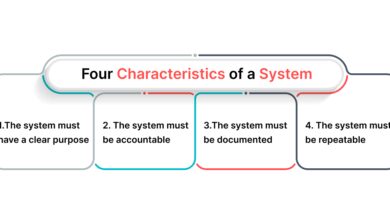
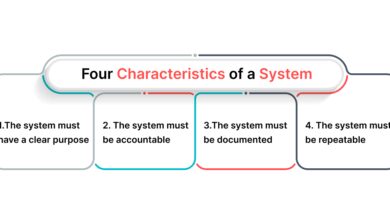
A ‘system’ refers to a set of interconnected components working together toward a common goal. These components can be hardware, software, people, processes, or a mix of all four. ‘Failure,’ on the other hand, is the inability of a system or component to perform as expected. When combined, ‘system failure’ describes a state where the entire network of components collapses or malfunctions, often with cascading consequences.
- A system can be as small as a thermostat or as large as a national power grid.
- Failure doesn’t always mean total shutdown; partial degradation counts too.
- Failures can be sudden or gradual, expected or unforeseen.
Types of System Failures
Not all system failures are created equal. They can be classified based on duration, scope, cause, and impact. Common types include transient failures (temporary glitches), intermittent failures (come and go), and permanent failures (require repair or replacement).
- Transient Failure: A momentary disruption, like a network timeout.
- Intermittent Failure: Recurring issues that are hard to diagnose, such as a flickering sensor.
- Catastrophic Failure: Complete breakdown, like a server crash during peak traffic.
“A system is only as strong as its weakest link.” — Often attributed to Aristotle, this quote perfectly captures the essence of system failure.
Common Causes of System Failure in Modern Infrastructure
Understanding the root causes of system failure is the first step toward prevention. In today’s hyper-connected world, systems are more complex than ever, making them vulnerable to a wide array of threats—both internal and external.
Hardware Malfunctions
Physical components like servers, routers, hard drives, and sensors are prone to wear and tear. Overheating, power surges, and manufacturing defects can all lead to hardware-based system failure. For example, a failed disk drive in a data center can corrupt critical databases.
- Hard drives failing due to age or physical shock.
- Power supply units (PSUs) burning out under load.
- Cooling system failures leading to thermal shutdowns.
Software Bugs and Glitches
Even perfectly built hardware can fail if the software running on it is flawed. Software bugs—errors in code—can cause crashes, data corruption, or security vulnerabilities. The infamous Mariner 1 spacecraft failure in 1962 was caused by a single missing hyphen in the code.
- Memory leaks that consume system resources over time.
- Null pointer exceptions causing application crashes.
- Race conditions in multi-threaded environments.
System Failure in IT and Cybersecurity: When Digital Worlds Collapse
The digital age has made system failure more visible and impactful than ever. From cloud outages to ransomware attacks, IT system failures can paralyze businesses, governments, and individuals alike.
Cloud Service Outages
Major providers like Amazon Web Services (AWS), Microsoft Azure, and Google Cloud have all experienced outages that disrupted thousands of websites and services. In December 2021, an AWS outage affected Netflix, Slack, and even the U.S. Department of Homeland Security.
- Configuration errors in network routing.
- Overloaded servers during traffic spikes.
- Dependency on a single region or availability zone.
Cyberattacks Leading to System Failure
Hackers exploit vulnerabilities to disrupt systems intentionally. Ransomware, DDoS attacks, and zero-day exploits can all trigger system failure. The 2017 NotPetya attack caused billions in damages by crippling global logistics and manufacturing systems.
- Ransomware encrypting critical files and demanding payment.
- DDoS attacks overwhelming servers with fake traffic.
- Insider threats bypassing security protocols.
“The only secure system is one that is powered off, cast in a block of concrete, and sealed in a lead-lined room.” — Gene Spafford, cybersecurity expert.
Human Error: The Silent Killer in System Failure
Despite advances in automation, humans remain a critical—and often flawed—component of any system. Studies show that human error contributes to over 70% of IT outages. A mistyped command, misconfigured firewall, or overlooked safety check can trigger a chain reaction.
Accidental Misconfigurations
System administrators sometimes make changes without proper testing. In 2020, a misconfigured database led to the exposure of over 267 million Facebook user records. Simple typos in code or configuration files can have massive consequences.
- Incorrect IP address or DNS settings.
- Deleting critical system files by accident.
- Disabling security features during troubleshooting.
Lack of Training and Oversight
Employees who aren’t properly trained may not recognize warning signs or follow protocols. In high-risk environments like nuclear plants or hospitals, this can be deadly. The Chernobyl disaster, for instance, was exacerbated by operators bypassing safety systems during a test.
- Inadequate onboarding for new IT staff.
- Poor documentation of system changes.
- Failure to conduct regular audits or drills.
System Failure in Critical Infrastructure: Power Grids, Healthcare, and Transportation
When system failure hits essential services, the stakes are life and death. Power grids, hospitals, and transportation networks rely on flawless coordination between technology and human oversight.
Power Grid Failures and Blackouts
The 2003 Northeast Blackout affected 55 million people across the U.S. and Canada. It was caused by a software bug in an alarm system and compounded by human error. Such failures highlight the fragility of interconnected power systems.
- Cascading failures where one substation overload triggers others.
- Aging infrastructure unable to handle modern demand.
- Lack of real-time monitoring and response systems.
Medical System Failures
In healthcare, system failure can mean delayed diagnoses, incorrect dosages, or lost patient records. Electronic Health Record (EHR) system crashes have forced hospitals to revert to paper-based systems, slowing care and increasing risks.
- Software crashes during surgery scheduling.
- Interoperability issues between hospital systems.
- Data entry errors leading to wrong treatments.
Transportation System Breakdowns
From air traffic control glitches to train signal failures, transportation systems are highly vulnerable. In 2019, a software update caused widespread delays for Southwest Airlines after its crew scheduling system failed.
- GPS spoofing disrupting navigation systems.
- Automated train control systems malfunctioning.
- Airline reservation systems going offline during peak travel.
Organizational and Management Failures Behind System Collapse
Sometimes, the root cause of system failure isn’t technical—it’s cultural. Poor leadership, siloed departments, and lack of accountability can erode system resilience over time.
Failure to Invest in Maintenance
Organizations often prioritize short-term profits over long-term system health. Deferred maintenance leads to outdated software, unpatched vulnerabilities, and obsolete hardware—all ticking time bombs.
- Running legacy systems beyond their lifecycle.
- Skipping security updates to avoid downtime.
- Underfunding IT departments despite growing digital reliance.
Lack of Redundancy and Disaster Planning
Resilient systems have backups, fail-safes, and recovery plans. Yet many organizations operate without adequate redundancy. When the primary system fails, there’s no fallback—leading to total collapse.
- No secondary data centers for cloud services.
- Single points of failure in network architecture.
- Infrequent or nonexistent disaster recovery drills.
“An ounce of prevention is worth a pound of cure.” — Benjamin Franklin’s wisdom applies perfectly to system failure prevention.
How to Prevent System Failure: Best Practices and Strategies
While no system is immune to failure, the risk can be drastically reduced through proactive measures. From technical safeguards to cultural shifts, here’s how organizations can build resilience.
Implement Redundancy and Failover Mechanisms
Redundancy ensures that if one component fails, another can take over seamlessly. This includes backup power supplies, mirrored databases, and load-balanced servers. For example, Google’s data centers use geographic redundancy to maintain service during regional outages.
- Use RAID arrays for disk redundancy.
- Deploy clustered servers for high availability.
- Set up automatic failover for critical services.
Regular System Audits and Monitoring
Continuous monitoring tools can detect anomalies before they escalate. Log analysis, performance tracking, and intrusion detection systems help identify early warning signs of potential failure.
- Use tools like Nagios, Zabbix, or Datadog for real-time monitoring.
- Conduct regular penetration testing for security flaws.
- Review system logs weekly for unusual patterns.
Employee Training and Culture of Accountability
People are the first line of defense. Regular training, clear protocols, and a blame-free reporting culture encourage staff to report issues early and follow best practices.
- Run simulated outage drills quarterly.
- Encourage incident reporting without fear of punishment.
- Promote cross-departmental collaboration for system oversight.
Case Studies: Real-World Examples of System Failure and Lessons Learned
History is filled with cautionary tales of system failure. Analyzing these cases helps us understand what went wrong and how to avoid repeating the same mistakes.
The 2010 Flash Crash: A Financial System Failure
In just minutes, the U.S. stock market lost nearly 1 trillion dollars due to a combination of algorithmic trading and lack of circuit breakers. The event exposed how fragile automated financial systems can be when safeguards are absent.
- High-frequency trading algorithms amplified sell orders.
- No real-time halting mechanism for extreme volatility.
- Regulatory gaps in overseeing automated trading.
Therac-25 Radiation Therapy Machine Failures
Between 1985 and 17, six patients received massive radiation overdoses due to a software race condition. The machine’s safety interlocks were software-based, not hardware, and a timing error allowed lethal doses to be delivered.
- Software assumed certain inputs would never occur.
- Lack of independent hardware safety checks.
- Poor error messaging failed to alert operators.
Boeing 737 MAX MCAS System Failure
The Maneuvering Characteristics Augmentation System (MCAS) relied on a single sensor. When that sensor failed, it triggered uncommanded nose-down maneuvers, leading to two crashes and 346 deaths. This highlighted the dangers of over-reliance on automation without proper redundancy.
- Single point of failure in angle-of-attack sensor.
- Inadequate pilot training on MCAS functionality.
- Regulatory oversight failures during certification.
“Complex systems fail in complex ways.” — Dr. Richard Cook, expert on system accidents.
Emerging Technologies and the Future of System Failure Prevention
As AI, machine learning, and quantum computing evolve, so do the methods to predict and prevent system failure. These technologies offer new tools for monitoring, diagnosis, and self-healing systems.
AI-Powered Predictive Maintenance
Artificial intelligence can analyze vast amounts of sensor data to predict when a machine is likely to fail. Airlines use AI to forecast engine issues before they occur, reducing unplanned maintenance and flight cancellations.
- Machine learning models trained on historical failure data.
- Real-time anomaly detection in industrial IoT systems.
- Automated alerts sent to maintenance teams before breakdowns.
Self-Healing Systems and Autonomous Recovery
Next-generation systems can detect failures and initiate recovery without human intervention. For example, some cloud platforms automatically restart failed containers or reroute traffic during outages.
- Kubernetes auto-restarting crashed pods.
- Networks rerouting data around failed nodes.
- AI-driven rollback of faulty software updates.
Blockchain for System Integrity and Transparency
Blockchain technology can provide immutable logs of system changes, making it easier to audit and trace the root cause of failures. In supply chains or healthcare, this ensures data integrity and accountability.
- Immutable logs of configuration changes.
- Transparent tracking of software updates.
- Decentralized verification to prevent tampering.
What is the most common cause of system failure?
The most common cause of system failure is human error, particularly misconfigurations and lack of proper training. However, software bugs, hardware malfunctions, and cyberattacks also play significant roles depending on the environment.
Can system failure be completely prevented?
While it’s impossible to eliminate all risks, system failure can be significantly reduced through redundancy, regular maintenance, monitoring, and robust design principles. The goal is not perfection but resilience and rapid recovery.
What is a single point of failure?
A single point of failure (SPOF) is a component in a system whose failure would stop the entire system from working. Eliminating SPOFs through redundancy is a key strategy in system design.
How do organizations recover from system failure?
Recovery involves activating disaster recovery plans, restoring from backups, troubleshooting root causes, and communicating with stakeholders. Post-mortem analysis helps prevent future occurrences.
Why is system failure dangerous in healthcare?
In healthcare, system failure can lead to misdiagnoses, delayed treatments, medication errors, and even patient deaths. The reliance on electronic records and automated systems makes resilience critical.
System failure is not just a technical issue—it’s a systemic one. From hardware glitches to human mistakes, the causes are diverse, but the solutions lie in preparation, redundancy, and continuous improvement. By learning from past failures and embracing new technologies, we can build systems that are not only powerful but also resilient. The future isn’t about avoiding failure entirely; it’s about failing safely and recovering quickly.
Further Reading: