Ever wondered what really runs your smartphone or computer behind the scenes? It’s not magic—it’s system apps. These essential programs are the silent engines powering your device’s core functions, from booting up to managing hardware. Let’s dive into what makes them so crucial.






What Are System Apps?
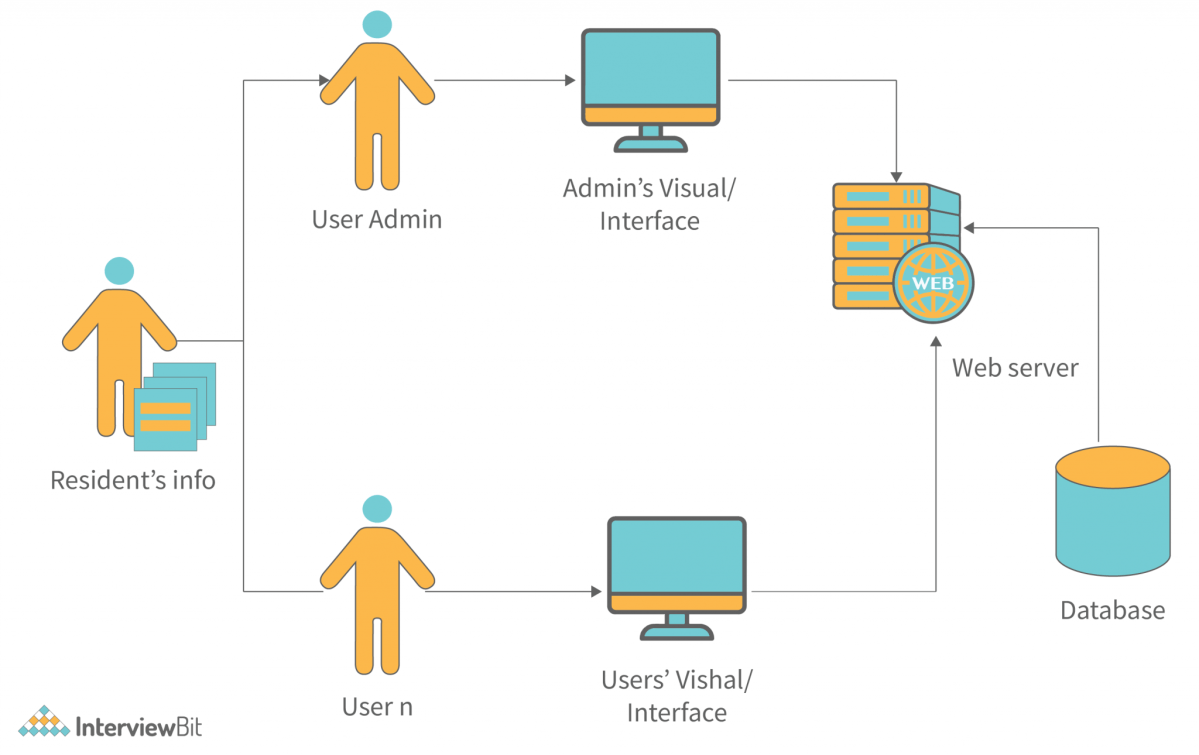
System apps, also known as system applications or built-in software, are programs pre-installed on a device’s operating system (OS) that perform essential functions to keep the system running smoothly. Unlike user-installed apps you download from app stores, system apps are deeply integrated into the OS and often operate with elevated privileges.
Definition and Core Functionality
System apps are software components that are part of the operating system itself. They are responsible for managing hardware, enabling user interface interactions, and ensuring system stability. Examples include the Settings app, Phone dialer, SMS manager, and system UI services on Android, or Finder, Spotlight, and System Preferences on macOS.
- They run automatically during device startup.
- They often operate in the background without user interaction.
- They have access to critical system resources and APIs.
These apps are designed to be reliable and efficient, as their failure can lead to system crashes or degraded performance.
Difference Between System Apps and User Apps
Understanding the distinction between system and user apps is crucial. While both are software, their roles, permissions, and lifecycle differ significantly.
- Installation: System apps come pre-loaded; user apps are installed manually.
- Permissions: System apps often have root or system-level access; user apps operate within sandboxed environments.
- Removal: System apps usually can’t be uninstalled without root access; user apps can be freely removed.
“System apps are the foundation of your device’s functionality—without them, your phone wouldn’t even turn on.” — TechRadar, techradar.com
Types of System Apps by Operating System
Different operating systems utilize system apps in unique ways. Let’s explore how major platforms like Android, iOS, Windows, and macOS implement these critical components.
Android System Apps
Android, being an open-source OS, features a wide range of system apps that manage everything from connectivity to user experience. These apps reside in the /system/app or /system/priv-app directories and are signed with the platform key.
- Phone and Dialer: Handle call initiation and management.
- Settings: Central hub for device configuration.
- Google Play Services: Enables Google APIs, location, and authentication.
- System UI: Manages navigation bars, status bars, and quick settings.
Some Android manufacturers like Samsung or Xiaomi add their own system apps (e.g., Samsung Health, MIUI Optimization), which can sometimes be bloatware.
iOS System Apps
iOS, Apple’s mobile OS, includes a tightly controlled set of system apps. Due to iOS’s closed ecosystem, these apps are highly optimized and secure.
- Phone, Messages, Mail: Core communication tools.
- Settings: Controls all device preferences and privacy settings.
- Siri: Voice assistant deeply integrated into the OS.
- Health: Central repository for fitness and medical data.
Unlike Android, iOS does not allow users to uninstall most system apps, although some (like Stocks or Tips) can be hidden.
Windows and macOS System Apps
On desktop operating systems, system apps play a vital role in user productivity and system management.
- Windows: Apps like Windows Defender, Task Manager, and Cortana are built-in system tools.
- macOS: Finder, Spotlight, System Settings, and Console are essential system utilities.
These apps are crucial for file management, security, and system diagnostics. For example, Microsoft Support highlights Task Manager as a critical tool for monitoring system performance.
Why System Apps Are Essential
System apps are not just convenient—they are fundamental to the operation of any modern computing device. Without them, your device would be little more than a brick.
Core System Management
System apps handle low-level operations that keep your device functional. This includes managing memory allocation, processing input/output requests, and coordinating between hardware and software.
- They initialize hardware during boot-up.
- They manage power consumption and battery optimization.
- They ensure secure data storage and retrieval.
For instance, the Power Manager system app on Android regulates screen brightness, CPU throttling, and background processes to extend battery life.
User Interface and Experience
System apps are responsible for delivering a consistent and intuitive user interface. The Settings app, for example, provides a centralized location to adjust everything from Wi-Fi to privacy controls.
- They standardize design elements across the OS.
- They enable accessibility features like voice commands and screen readers.
- They support multitasking and app switching.
Apple’s Human Interface Guidelines emphasize the role of system apps in maintaining a cohesive user experience across devices.
“A well-designed system app should be invisible—users should feel the benefit without noticing the mechanism.” — Apple Developer Documentation, developer.apple.com
Security and Privacy Implications of System Apps
Given their elevated privileges, system apps have significant implications for security and user privacy. While they are generally trustworthy, vulnerabilities can lead to serious risks.
Access to Sensitive Data
System apps often have access to sensitive information such as location, contacts, camera, and microphone. This is necessary for functionality but poses privacy concerns if misused.
- Android’s Google Play Services collects location data for features like Google Maps.
- iOS’s Health app stores medical data and requires strong encryption.
- Windows Cortana listens for voice commands, raising microphone access concerns.
Users should review permissions regularly and disable unnecessary access through the Settings app.
Potential for Exploitation
Because system apps run with high privileges, they are attractive targets for malware and hackers. A compromised system app can lead to full device takeover.
- In 2020, a vulnerability in Samsung’s system app S Voice allowed remote code execution.
- Android’s Stagefright bug in 2015 exploited media processing system apps to gain control via MMS.
Regular OS updates are critical to patch such vulnerabilities. Google and Apple release monthly security patches to address known exploits in system apps.
Can You Remove or Disable System Apps?
Many users ask whether they can uninstall or disable system apps, especially when they consume resources or feel like bloatware. The answer depends on the OS and device permissions.
Disabling vs. Uninstalling
On most devices, you cannot fully uninstall system apps without root or jailbreak access. However, you can often disable them.
- Disabling: Stops the app from running and removes it from the app drawer. It remains on the system partition.
- Uninstalling: Requires root (Android) or jailbreak (iOS) and removes the app entirely.
For example, on Android, you can disable Google Play Games or Samsung Galaxy Store through Settings > Apps > See all apps > [App Name] > Disable.
Rooting and Jailbreaking Risks
While rooting (Android) or jailbreaking (iOS) allows full control over system apps, it comes with serious risks.
- Security Vulnerabilities: Bypassing OS protections exposes the device to malware.
- Voided Warranty: Manufacturers often void warranties if the device is rooted.
- System Instability: Removing critical system apps can cause boot loops or crashes.
According to XDA Developers, improper removal of system apps is one of the top causes of Android device failures.
“Rooting gives you power, but with great power comes great responsibility—and risk.” — XDA Developers Forum
Performance Impact of System Apps
System apps run in the background and can significantly affect device performance, especially on older or low-end hardware.
Resource Consumption
Some system apps are notorious for consuming CPU, RAM, and battery. For example:
- Google Play Services: Can use up to 20% of battery on some devices due to background syncing.
- Samsung Experience Service: Known for high RAM usage on Galaxy devices.
- Windows Search Indexer: Can spike CPU usage during file indexing.
Users can monitor these via built-in tools like Android’s Battery Usage or Windows Task Manager.
Optimization Tips
To reduce the performance impact of system apps, consider the following:
- Disable unnecessary system apps (e.g., bloatware from OEMs).
- Limit background data usage in Settings.
- Update the OS regularly for performance improvements.
- Use battery optimization features to restrict background activity.
For Android users, apps like Greenify can hibernate system apps when not in use, improving battery life.
Future of System Apps: Trends and Innovations
As technology evolves, so do system apps. The future points toward smarter, more efficient, and privacy-conscious system-level software.
AI-Powered System Apps
Artificial intelligence is being integrated into system apps to enhance automation and personalization.
- Google’s Adaptive Battery uses AI to learn usage patterns and optimize power.
- Apple’s Siri leverages on-device machine learning for faster responses.
- Windows 11’s Copilot integrates AI into system-level assistance.
These AI-driven features are becoming core system functions rather than standalone apps.
Modular and Updatable System Apps
Modern OS designs are moving toward modular system apps that can be updated independently of the OS.
- Android’s Project Mainline allows Google to update critical system components via the Play Store.
- iOS updates system apps like Safari and Mail through regular App Store-style updates.
This approach improves security and reduces fragmentation, ensuring users get the latest features and patches faster.
“The future of system apps is modular, secure, and intelligent—driven by AI and continuous updates.” — Android Authority, androidauthority.com
What are system apps?
System apps are pre-installed software components that are part of a device’s operating system. They perform essential functions like managing hardware, enabling user interface features, and ensuring system stability. Examples include Settings, Phone, and System UI on smartphones.
Can I delete system apps?
Most system apps cannot be uninstalled without root (Android) or jailbreak (iOS) access. However, you can often disable them to prevent them from running and consuming resources.
Do system apps use battery?
Yes, system apps can consume battery, especially those running in the background like Google Play Services or Samsung Experience Service. Monitoring and disabling unnecessary ones can improve battery life.
Are system apps safe?
Generally, yes—system apps from trusted developers (like Google, Apple, Microsoft) are secure. However, vulnerabilities can exist, so keeping your OS updated is crucial for security.
Why do manufacturers add their own system apps?
Manufacturers add system apps to enhance user experience, provide exclusive features, or promote their services. However, some may be considered bloatware if they’re non-essential and consume resources.
System apps are the invisible backbone of every modern device. From managing hardware to enabling seamless user experiences, they are indispensable. While they can impact performance and privacy, understanding their role allows users to make informed decisions. As technology advances, system apps will become smarter, more modular, and more secure—shaping the future of computing.
Further Reading: